
From Foam Manufacturing to Better Mattresses: The Story Behind Safari Mattresses and Shakti Foams
Behind every mattress is a material story.Before a mattress reaches a bedroom, before the fabric is stitched, and before the final product is packed for delivery, its performance begins with something most buyers rarely see: the materials and manufacturing knowledge behind it.For Safari Mattresses, that story is closely connected to Shakti Foams Private Limited.Safari Mattresses is part of the Shakti Foams family, bringing together more than 25 years of foam and mattress manufacturing expertise with the development of sleep solutions for modern Indian homes. From the early days of box-foaming machines to advanced high-pressure foaming technology, the journey reflects how manufacturing knowledge can shape the final mattress a customer sleeps on every night.
The Story Begins with Shakti Foams
The Safari story did not begin simply as another mattress brand entering the market.
It grew from a background in foam and mattress manufacturing.
According to the official Safari Mattresses About Us page, Shakti Foams has built more than two decades of experience around foam manufacturing, mattress products, consistency, technology, and product development.
The company’s manufacturing journey has evolved alongside changes in the Indian foam and mattress industry.
From earlier box-foaming systems to modern manufacturing technology, Shakti Foams has continued to develop its capabilities with a focus on producing foam solutions for different comfort and performance requirements.
That manufacturing foundation is an important part of the story behind Safari Mattresses.
Why Does Foam Manufacturing Expertise Matter for a Mattress Brand?
A customer sees the finished mattress.
A manufacturer needs to understand what happens inside it.
Foam can influence important mattress characteristics such as:
- Comfort
- Support
- Resilience
- Firmness
- Durability
- Pressure distribution
- Long-term performance
Different mattresses require different combinations of materials and construction.
A mattress designed around orthopedic support may have different requirements from one focused on responsive comfort or a different sleeping feel.
This is where manufacturing knowledge becomes valuable.
Understanding foam is not simply about knowing which material to put inside a mattress. It is about understanding how different materials and layers work together in the finished product.
Our guide to Inside Safari Mattresses: How a Quality Mattress Is Built Layer by Layer explains this relationship in greater detail.
From Box Foaming to Advanced German Technology
One of the most important parts of the Shakti Foams journey is the evolution of its manufacturing technology.
According to Safari’s official company history, the business progressed from using box-foaming machines to operating a Hennecke High-Pressure Foaming Machine from Germany. Safari also states that its manufacturing operations are supported by a 10-acre facility and a team of more than 200 professionals.
Why does this matter?
Because manufacturing technology can influence the ability to produce different types of foam with greater consistency across production.
For a mattress manufacturer, consistency matters.
Customers expect one mattress model to deliver the characteristics it was designed to provide—not just once, but across the products manufactured under that model.
What Types of Foam Does Shakti Foams Manufacture?
The official Shakti Foams website lists a range of foam products, including:
- PU Foam
- Memory Foam
- HR Foam
- Peeling Foam
- Fire-Retardant Foam
The company also lists mattresses, pillows, sofa cushions, and other comfort products among its manufacturing categories.
This wider experience with foam and comfort products provides important context for understanding the manufacturing background behind Safari Mattresses.
Different types of foam behave differently.
Memory foam, for example, is commonly associated with contouring and pressure relief.
HR foam is known for resilience and support characteristics.
PU foam can be manufactured for different applications and performance requirements.
Understanding these differences helps manufacturers make more informed decisions when developing mattress constructions.
From Foam to a Finished Mattress
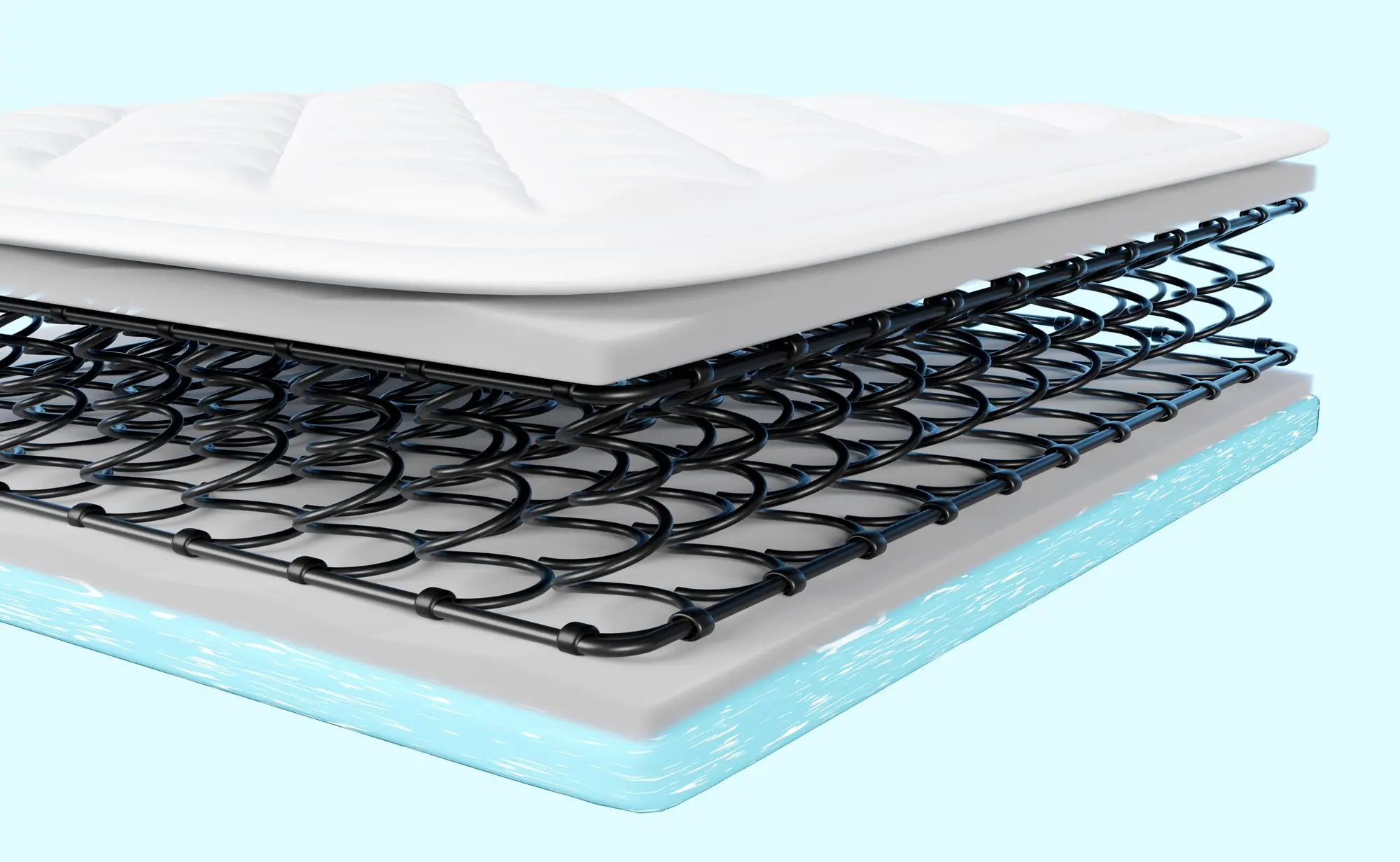
A mattress is not simply a large block of foam covered with fabric.
Modern mattress construction can involve multiple layers, with each layer performing a different function.
Depending on the mattress design, these may include:
- Comfort layers
- Transition layers
- Support layers
- Base materials
- Quilted surfaces
- Outer fabrics
The final performance of a mattress depends on how these components work together.
This is why Safari’s manufacturing background is relevant to buyers.
The process begins long before the final mattress is displayed online or reaches a dealer showroom.
It begins with understanding materials.
How Manufacturing Knowledge Shapes Safari Mattresses
Safari Mattresses offers different products designed around different comfort and support requirements.
The Safari Ortho Latex Mattress, for example, represents a different material and construction approach from the Safari Ortho Divine Mattress.
These differences matter because there is no single mattress construction suitable for every sleeper.
Customers may have different preferences relating to:
- Firmness
- Support
- Responsiveness
- Materials
- Sleeping environment
- Comfort
Manufacturing expertise helps provide the foundation for developing products around these different requirements.
Why Foam Quality Matters More Than Most Buyers Realise
When customers compare mattresses, they often begin with what they can immediately see.
The fabric.
The quilting.
The thickness.
The price.
But much of a mattress’s performance depends on the materials hidden underneath the surface.
Foam quality and characteristics can influence how a mattress responds to everyday use and how consistently it performs over time.
This is why understanding Why Mattress Density Matters More Than Most Buyers Realize can help customers look beyond surface-level mattress comparisons.
Thickness alone does not determine quality.
Appearance alone does not determine quality.
The materials and construction inside the mattress matter.
More Than 25 Years of Growing with the Industry
The Indian mattress industry has changed significantly over the last two decades.
Customers today know more about:
- Memory foam
- Latex
- Orthopedic support
- Mattress firmness
- Foam density
- Pressure relief
- Mattress construction
Buying behaviour has changed too.
Customers research online, compare products, read guides, ask detailed questions, and want to understand what they are purchasing.
Shakti Foams’ manufacturing journey has developed alongside this changing industry.
According to Safari’s official history, the company’s focus has remained on combining experience with technology while developing foam products around quality, reliability, and value.
The People and Infrastructure Behind the Products
Manufacturing is not only about machines.
It also depends on the people operating facilities, developing products, maintaining consistency, and moving the business forward.
Safari states that its manufacturing operations are backed by more than 200 professionals and a dealer network of more than 200 dealers across North and West India.
The brand’s story also spans three generations, from Mr. Munendar Goyal and Mr. Yogesh Goyal to the next generation under Mr. Yash Goyal.
This combination of manufacturing history, infrastructure, technology, and evolving leadership forms an important part of Safari Mattresses’ identity.
Why Should Buyers Care About Who Makes Their Mattress?
Most customers will never visit a foam manufacturing facility.
But knowing the manufacturing background of a mattress brand can help buyers ask better questions.
For example:
- Does the company understand the materials used inside its mattresses?
- Does it have experience in foam and mattress manufacturing?
- How does it approach different comfort requirements?
- What technology supports its manufacturing process?
- Is the brand transparent about its history and capabilities?
These questions can reveal more about a mattress than marketing language alone.
Our article What Makes a High-Quality Mattress? Insights from a Mattress Manufacturer explores what buyers should look for beyond the surface.
From Shakti Foams to Safari Mattresses
The relationship between Shakti Foams and Safari Mattresses represents a natural progression from material manufacturing expertise to consumer sleep solutions.
Shakti Foams brings a background in foam and comfort-product manufacturing.
Safari Mattresses brings that foundation into products designed for homes and sleepers.
Together, the story connects:
Materials → Manufacturing → Mattress Construction → Finished Products → Everyday Comfort
That connection is what makes Safari’s manufacturing story worth understanding.
Explore Safari Mattresses
Today, customers can explore different sleep solutions through the complete Safari Mattress Collection.
Rather than choosing a mattress based only on price or appearance, buyers can compare products according to materials, construction, comfort preferences, and support requirements.
And behind those finished products is a manufacturing journey that began more than two decades ago.
Final Thoughts
A mattress may be purchased in a showroom or ordered online, but its real story begins inside the manufacturing facility.
For Safari Mattresses, that story is built on the manufacturing background of Shakti Foams, more than 25 years of industry experience, evolving foam technology, advanced manufacturing infrastructure, and a growing understanding of what modern Indian mattress buyers expect.
From foam manufacturing to finished mattresses, the focus remains on understanding materials, improving processes, and creating products for different comfort and support requirements.
For buyers, this manufacturing background provides something valuable: a clearer understanding of who is behind the mattress they bring home.
FAQs
What is the relationship between Safari Mattresses and Shakti Foams?
Safari Mattresses is part of the Shakti Foams family. Shakti Foams provides the manufacturing background and more than 25 years of foam and mattress industry expertise behind the Safari brand.
Where is Shakti Foams located?
Shakti Foams Private Limited operates from Faridabad, Haryana, India.
What types of foam does Shakti Foams manufacture?
The official Shakti Foams website lists PU foam, memory foam, HR foam, peeling foam, and fire-retardant foam among its product categories.
What manufacturing technology does Shakti Foams use?
According to Safari Mattresses’ official company history, Shakti Foams has progressed from box-foaming machinery to a Hennecke High-Pressure Foaming Machine from Germany.
Why does foam manufacturing experience matter when making mattresses?
Understanding foam properties, manufacturing processes, density, resilience, and different material characteristics can help a manufacturer develop mattresses for different comfort, support, and performance requirements.
.jpg)
Faqs
Safari focuses on mattress construction, support systems, durability, and multiple comfort options designed for different sleeping preferences.
Yes. Safari offers orthopedic mattress options including the Ortho Latex and Ortho Divine models.
Yes. Safari offers multiple mattress types, including dual-comfort options that accommodate different sleeping preferences.
Safari mattresses are designed with durability and long-term support in mind, helping maintain comfort and performance over years of everyday use.
Yes. Comfort layers, support layers, and base layers work together to create the overall sleeping experience.


